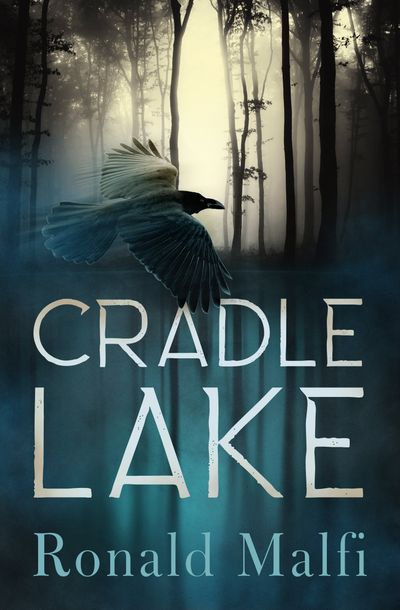
Cradle Lake
Synopsis
After two miscarriages and a period of severe depression, Alan and Heather move from New York to an inherited house in the foothills of the Great Smoky Mountains. Alan discovers a hidden path and a lake associated with impossible changes in health and vitality. What first appears to offer the couple a way out of grief begins to expose the cost of refusing ordinary human limits.
Why It Fits
The novel is less cosmic than many books in this catalog, but it is useful existential horror because its supernatural premise grows out of grief, mortality, and the desire to make suffering reversible. The central dread comes from asking what a person will surrender when healing, fertility, and control seem available at a price.
Key Themes
- grief and miscarriage
- healing and its cost
- denial
- fertility
- obsession
- community secrecy
- nature and the uncanny
Who Should Read It
Read it if you want a more conventional supernatural-horror structure, rural isolation, grief-driven obsession, and a faster path to concrete danger than the site's more abstract selections. It is also a useful entry point for readers who want existential themes without dense philosophical prose.
Editorial Note
Cradle Lake broadens the catalog beyond cosmic horror. Its lower philosophical-depth score is intentional: the existential material emerges from character decisions and consequences rather than sustained abstract argument.
Dread Index
Editorial classifications on a 0–5 scale. How the Dread Index works.
- Existential Dread
- 3 / 5
- Cosmic Insignificance
- 1 / 5
- Nihilism
- 2 / 5
- Isolation
- 4 / 5
- Identity Dissolution
- 2 / 5
- Reality Instability
- 3 / 5
- Mortality
- 4 / 5
- Philosophical Depth
- 2 / 5
- Gore
- 3 / 5
- Conventional Scares
- 4 / 5
- Difficulty
- 2 / 5
- Hopefulness
- 2 / 5
Why this score?
Its strongest existential pressure comes from grief, finitude, and the temptation to reject the conditions of ordinary life.
Why this score?
The supernatural force is local and personal rather than an expression of a vast indifferent cosmos.
Why this score?
The story is dark about bargains and loss but does not argue that life or attachment is intrinsically meaningless.
Why this score?
The rural setting and the couple's emotional withdrawal leave them unusually dependent on a secretive local environment.
Why this score?
Characters change under supernatural pressure, but loss of self is not the novel's primary concern.
Why this score?
The lake introduces impossible effects into an otherwise recognizable world and makes ordinary cause and effect unreliable.
Why this score?
Miscarriage, health, death, and the desire to overcome bodily limits drive the plot.
Why this score?
The themes are substantial but are explored mainly through plot and character rather than explicit philosophical inquiry.
Why this score?
The book contains bodily horror and violence at a moderate level.
Why this score?
Secrets, supernatural danger, ominous neighbors, and escalating physical threats give it a strong traditional horror profile.
Why this score?
The narrative is direct and accessible, with little formal or conceptual barrier to entry.
Why this score?
Love and recovery remain imaginable, but the supernatural promise of restoration repeatedly turns hope into danger.